Mass Texting for Advocacy Campaigns: How Organizations Use SMS to Mobilize Supporters Instantly
Key Takeaways:
|
SMS and business texting drive communication campaigns for businesses across industries, supporting a range of use cases. And one such niche industry is the advocacy groups.
Advocacy campaigns cannot afford delays, as they are meant to address urgent issues, operate within the tight deadlines of political windows, and maintain momentum to prevent public disinterest.
Whether it’s encouraging donations during a crisis or driving petition signatures before a deadline, timing matters in advocacy. And this is why emails or social media apps lack, due to the limited visibility and crowded inboxes.
Thanks to SMS, direct mass texting offers more than just communication; it helps drive action by providing instant reach and deliverability. In this article, we’ll explore the importance of SMS for running advocacy campaigns, its benefits, and actionable steps to build a high-impact campaign strategy for your business.
What are Advocacy Campaigns?
Advocacy campaigns are organized efforts designed to influence public opinion, policies, decision-makers, or behavior around a specific cause or issue. While traditional marketing campaigns focus on selling products or services, advocacy campaigns drive awareness, inspire action, or create political, social, or organizational change.
These campaigns typically focus on issues such as human rights, environmentalism, or specific industry interests, encouraging individuals to sign petitions, donate funds, attend events, volunteer, vote, contact legislators, or raise awareness within their communities.
Depending on the goals and stakeholders involved, there can be several types of advocacy campaigns, including:
- Political advocacy, which focuses on influencing public policy, legislation, or election outcomes.
- Non-profit initiatives and fundraising advocacy, including fundraising drives, volunteer recruitment, emergency relief appeals, and awareness initiatives for specific causes.
- Social justice and public awareness campaigns, which address societal issues, such as education reform, healthcare access, climate change, community safety, or gender equality, aim to shift public perception and build collective pressure for change.
- Community mobilization or grassroots movements rally community members around neighborhood issues, community development projects, or local policy changes.
- Corporate or brand advocacy campaigns aligned with corporate social responsibility (CSR) goals engage customers, employees, and communities in social or environmental initiatives.
Why Use SMS For Advocacy Campaigns?
Advocacy campaigns highly depend on visibility, urgency, and action. SMS stands out as one of the most effective channels for advocacy as it ensures instant, direct, and reliable message delivery, without competing with crowded inboxes or social media algorithms.
Here are the reasons why SMS is beneficial for advocacy campaigns:
- High open and engagement rates: Text messages are typically read within minutes of delivery, with SMS notifications appearing directly on the recipient’s mobile device. For advocacy campaigns, this means urgent calls to action don’t get delayed, critical alerts reach supporters in real-time, and time-sensitive initiatives gain immediate visibility.
- Direct and personal communication: SMS feels personal and arrives directly in the private inbox, making supporters feel individually addressed rather than broadly targeted. SMS enhances advocacy campaigns by personalizing messages with first names, segmenting audiences by interest or geography, or sending localized alerts relevant to specific communities.
- Immediate action and rapid mobilization: Advocacy is all about rapid mobilization, where bills move forward unexpectedly, fundraising deadlines approach, event details change, and more. SMS ensures instant mobilization, allowing organizations to share a link to donate, drive supporters to sign a petition, remind people about rally timings, trigger CTAs, and provide real-time updates on schedule changes or location.
- Two-way engagement and feedback: Modern SMS advocacy campaigns go beyond one-way broadcasts. Two-way messaging allows supporters to confirm participation, collect poll responses, gauge supporter sentiment, identify highly engaged advocates, or confirm volunteer availability, ensuring the campaigns don’t fall through.
- Measurable and data-driven: SMS campaigns provide clear performance metrics, such as click-through rates, delivery rates, response rates, and opt-outs. This data-driven approach allows organizations to segment high-value supporters, refine CTAs, identify the messages that drive action, and further optimize and improve future campaigns for better results.
How Do Advocacy Groups Use Mass Texting? Key Use Cases of SMS For Advocacy Explained
Advocacy groups use SMS or bulk SMS for several purposes and use cases, as outlined below:
1. Event and rally mobilization
Advocacy campaigns often involve physical or virtual events that require attendees to be present, such as rallies, protests, town halls, fundraising events, or campaign meetings. Hence, the supporter’s attendance directly influences the success or visibility of the cause.
| In such cases, SMS helps by:
|
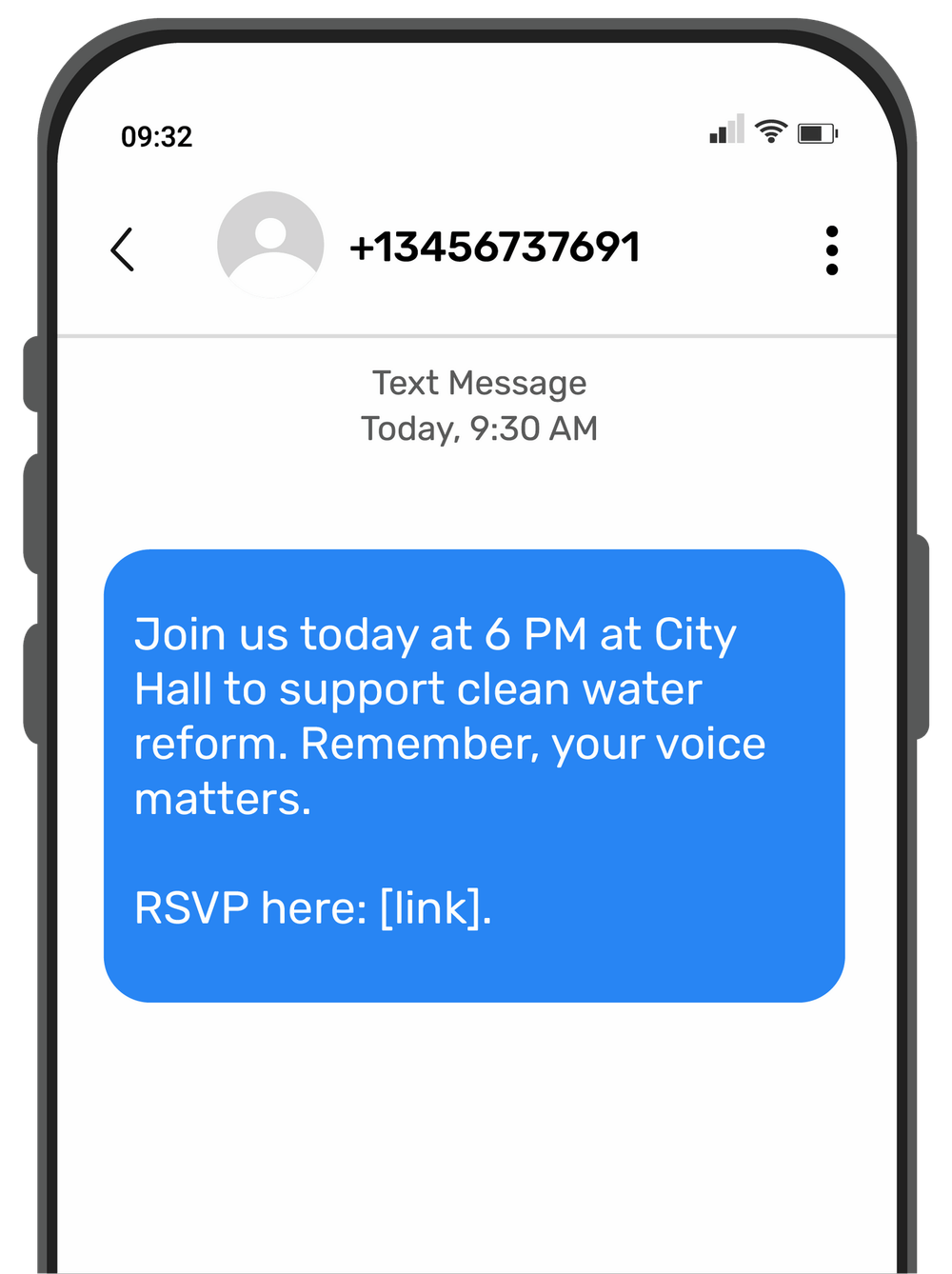
With the highest open and response rates, SMS ensures maximum turnout and is ideal for last-minute event coordination.
Example: “Join us today at 6 PM at City Hall to support clean water reform. Remember, your voice matters. RSVP here: [link].”
2. Fundraising and donation campaigns
Donation advocacy campaigns include donations for events, fundraising outreach, operational efforts, and advertising, making SMS highly effective for time-sensitive fundraising appeals.
SMS creates a sense of urgency, motivating supporters to act quickly.
Common use cases of SMS for fundraising and donation campaigns include:
|
|
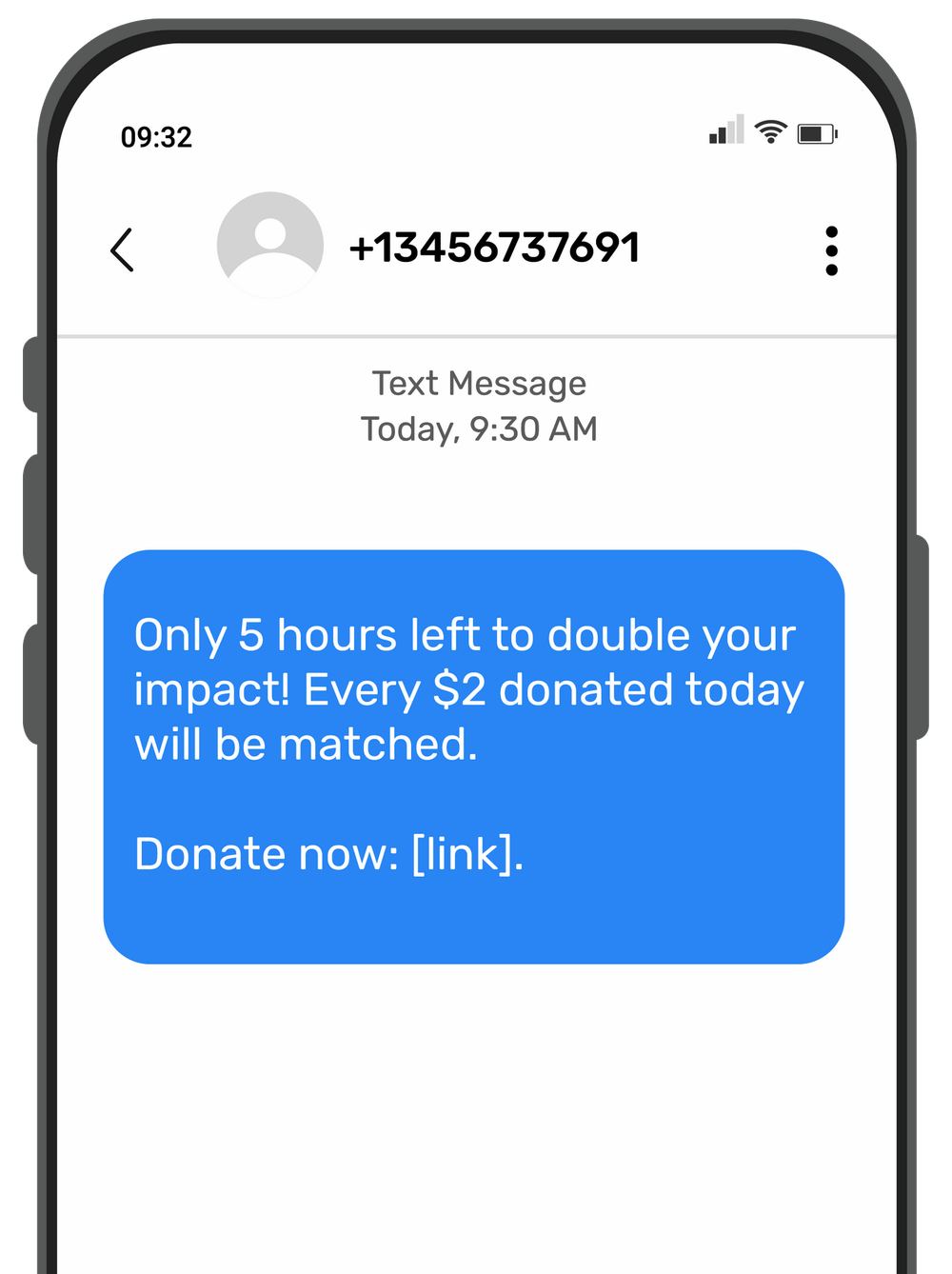
Example: “Only 5 hours left to double your impact! Every $2 donated today will be matched. Donate now: [link].”
3. Petition and signature drives
Petitions demonstrate public support and help apply pressure on decision-makers and higher authorities. However, collecting signatures requires repeated follow-ups and a sense of urgency.
| SMS is highly effective for petitions, enabling advocacy groups to:
|
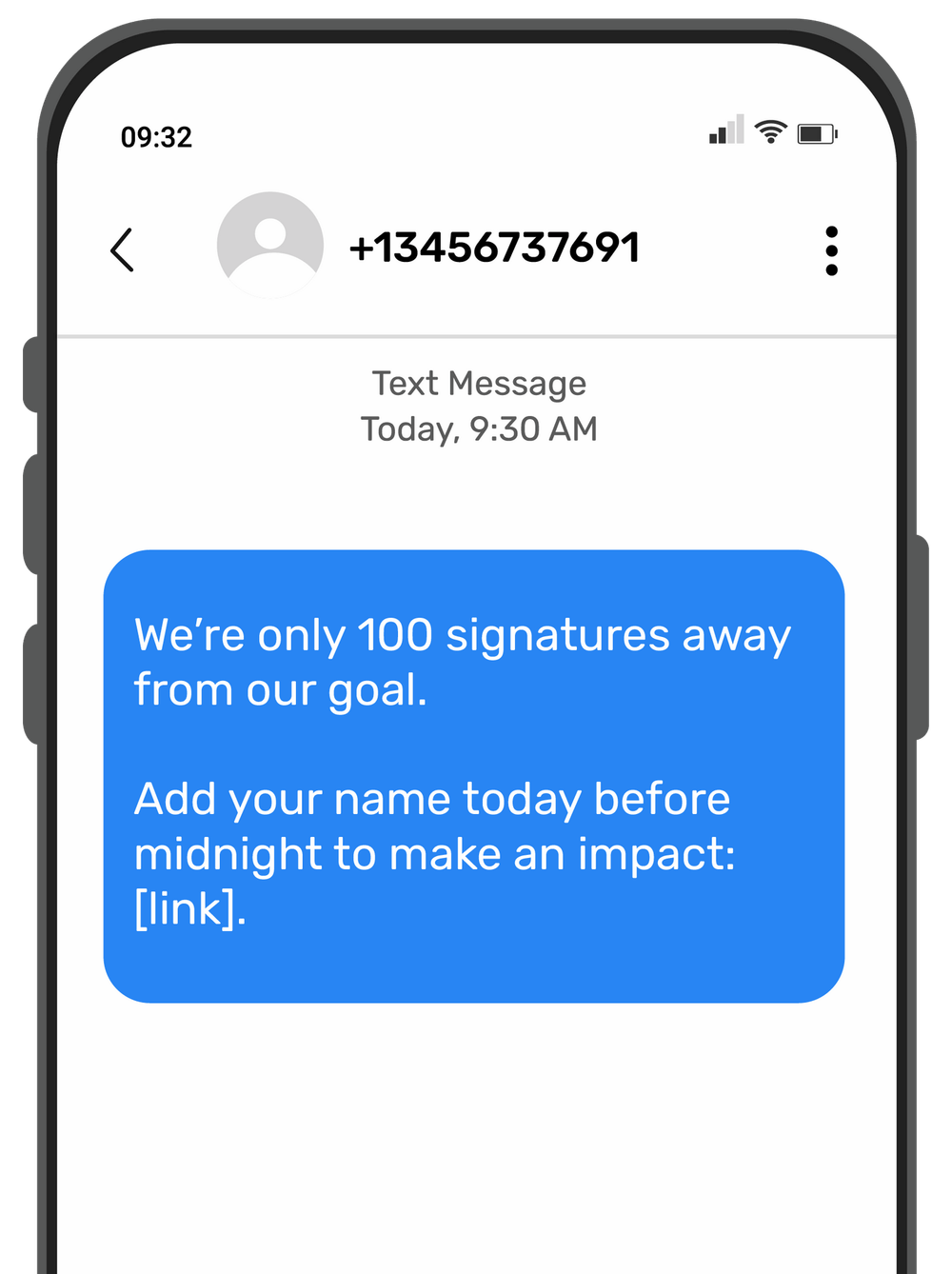
Short, quick, and urgent messaging works best here, prompting quick action.
Example: “We’re only 100 signatures away from our goal. Add your name today before midnight to make an impact: [link].”
4. Legislative action alerts
Timing is critical when a bill is being debated or voted on. Advocacy groups use SMS to prompt supporters to contact lawmakers immediately and urgently before key decisions.
SMS can:
|
|
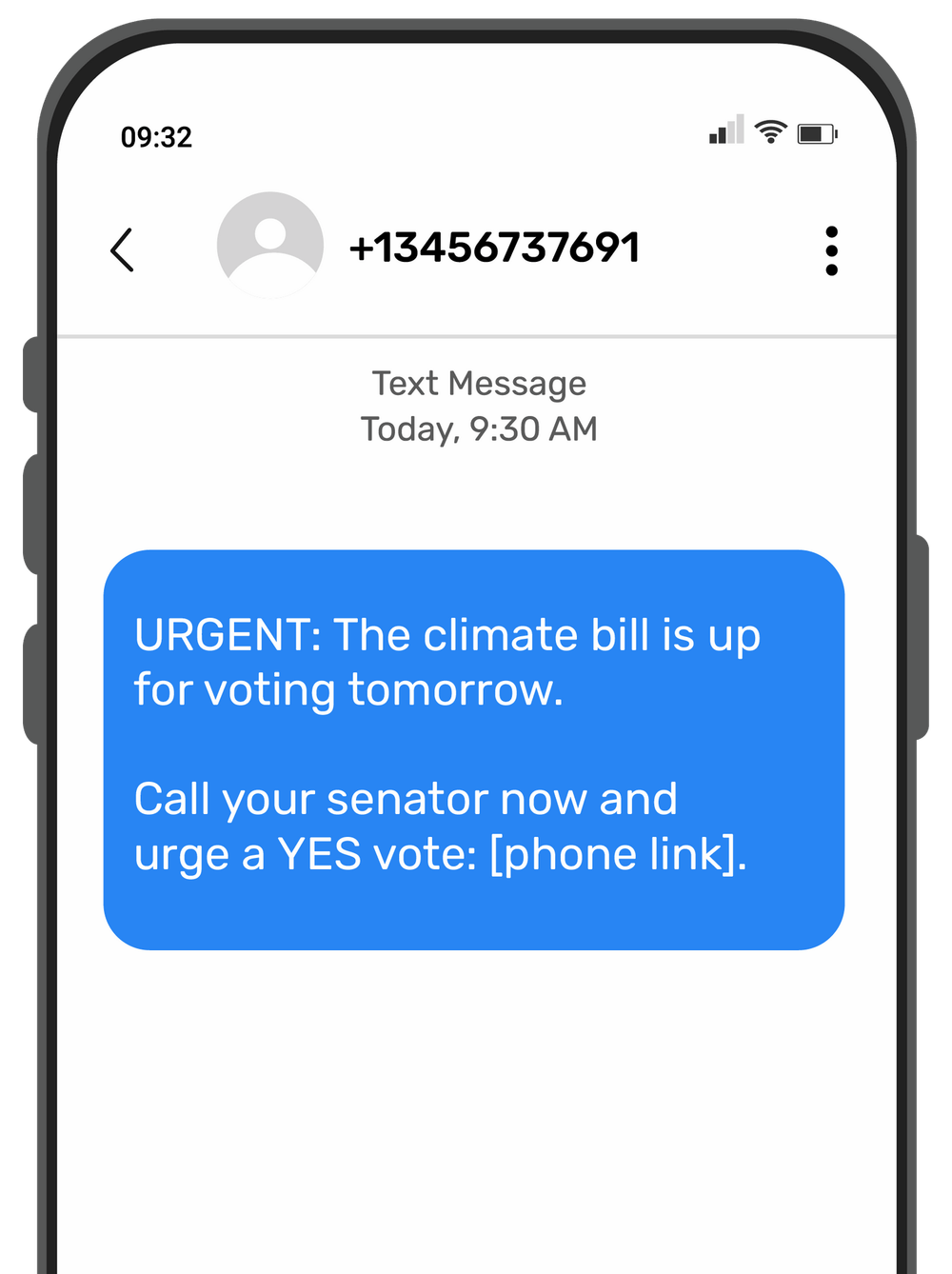
SMS ensures rapid mobilization, especially when legislative windows are short.
Example: “URGENT: The climate bill is up for voting tomorrow. Call your senator now and urge a YES vote: [phone link].”
5. Volunteer recruitment
Volunteers are the backbone and cornerstone of several advocacy initiatives. SMS streamlines recruitment and coordination, enabling organizations to
|
|
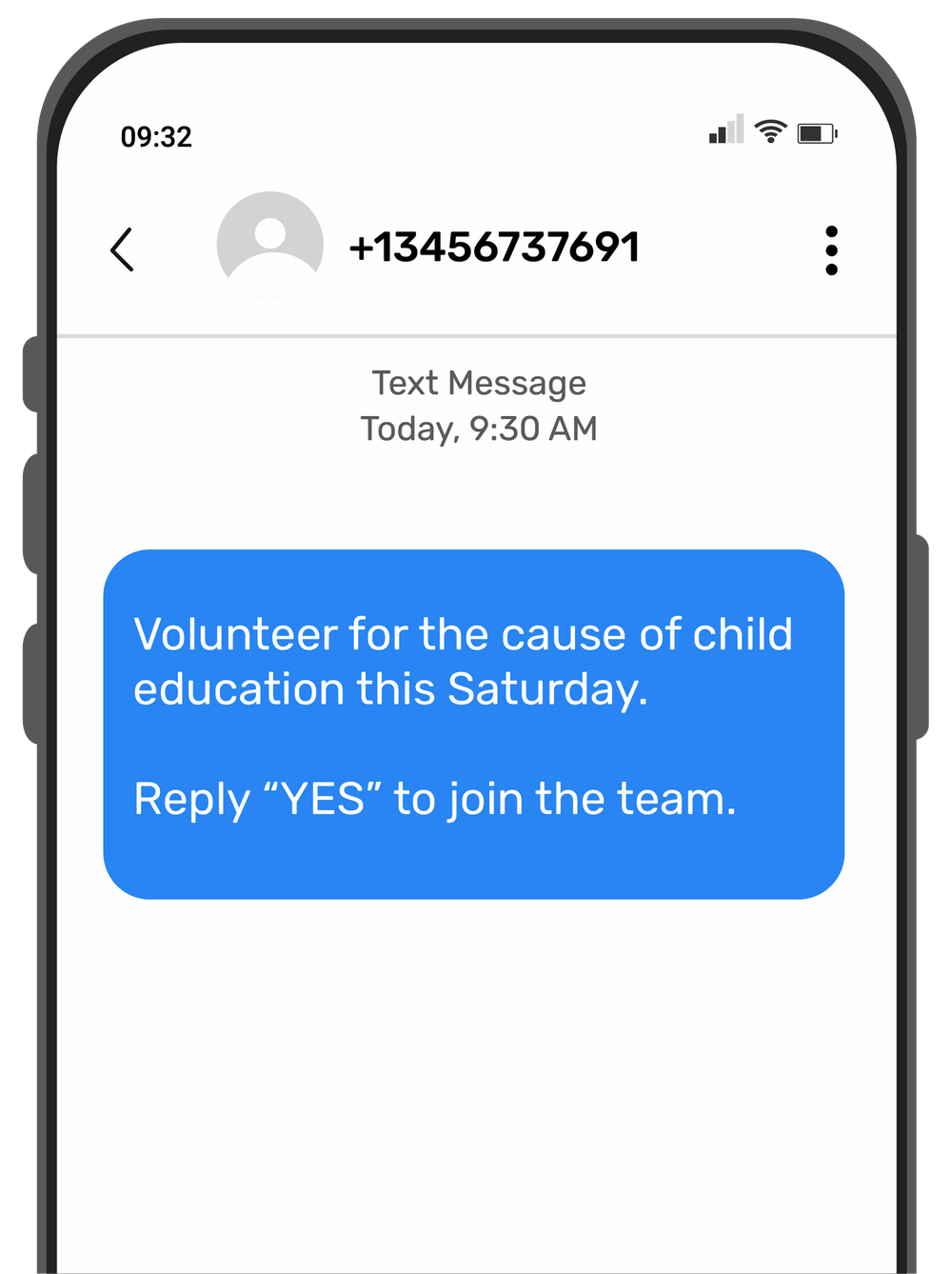
For volunteer recruitment, two-way messaging is particularly valuable, allowing volunteers to confirm their availability and participation with a “YES” response.
Example: “Volunteer for the cause of child education this Saturday. Reply “YES” to join the team.
6. Policy awareness and educational campaigns
Besides other advocacy campaigns mentioned, not all advocacy efforts require immediate action. Some focus on educational and long-term awareness.
SMS in policy awareness and educational campaigns helps to:
|
|
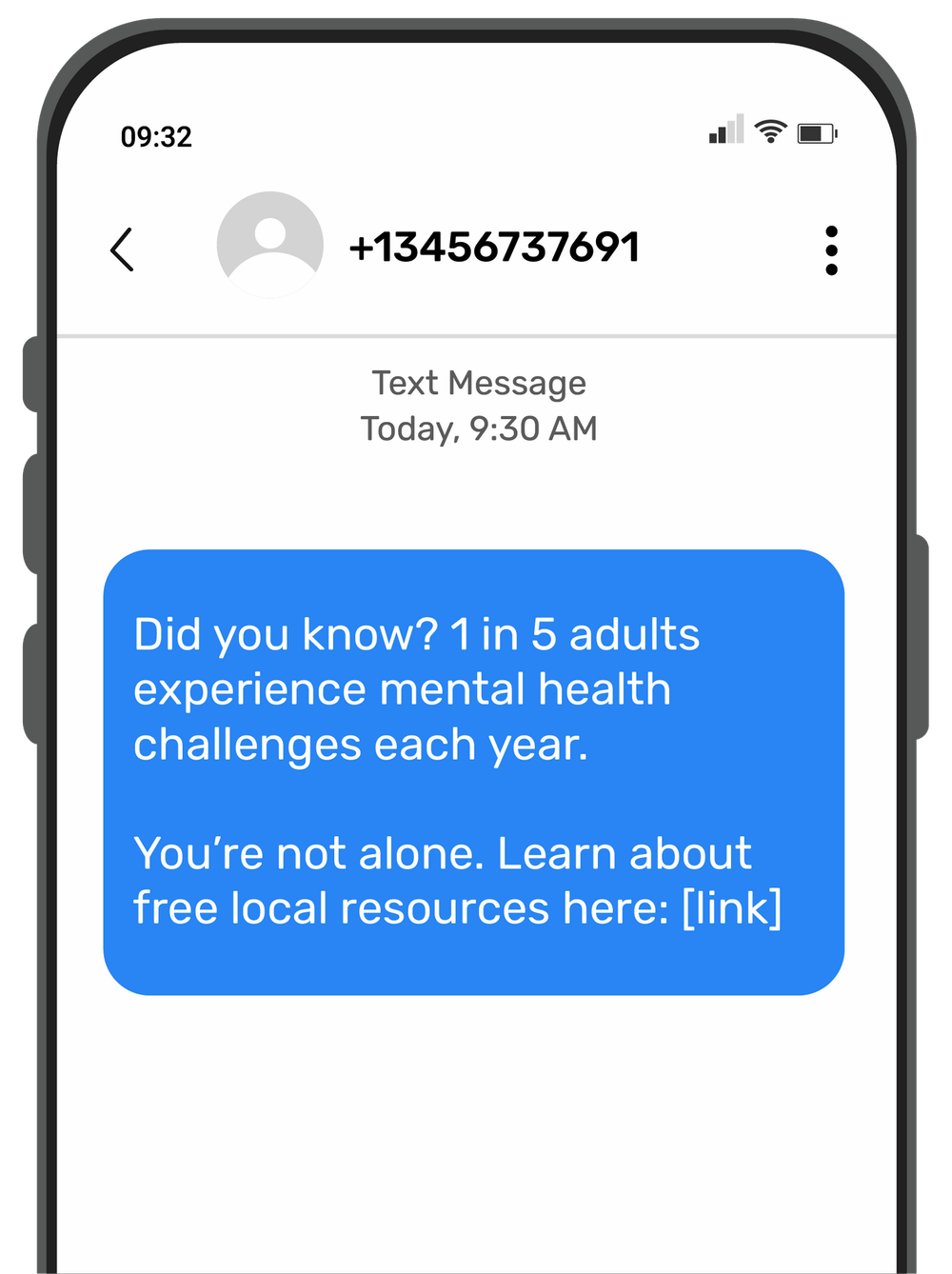
Consistent SMS engagement builds informed, long-term supporters who are more likely to act when needed.
Example: “Did you know? 1 in 5 adults experience mental health challenges each year. You’re not alone. Learn about free local resources here: [link]”
7. Voter engagement and GOTV
Voter engagement is essential in political advocacy. SMS is widely used to increase participation during election cycles. Key SMS applications include:
|
|
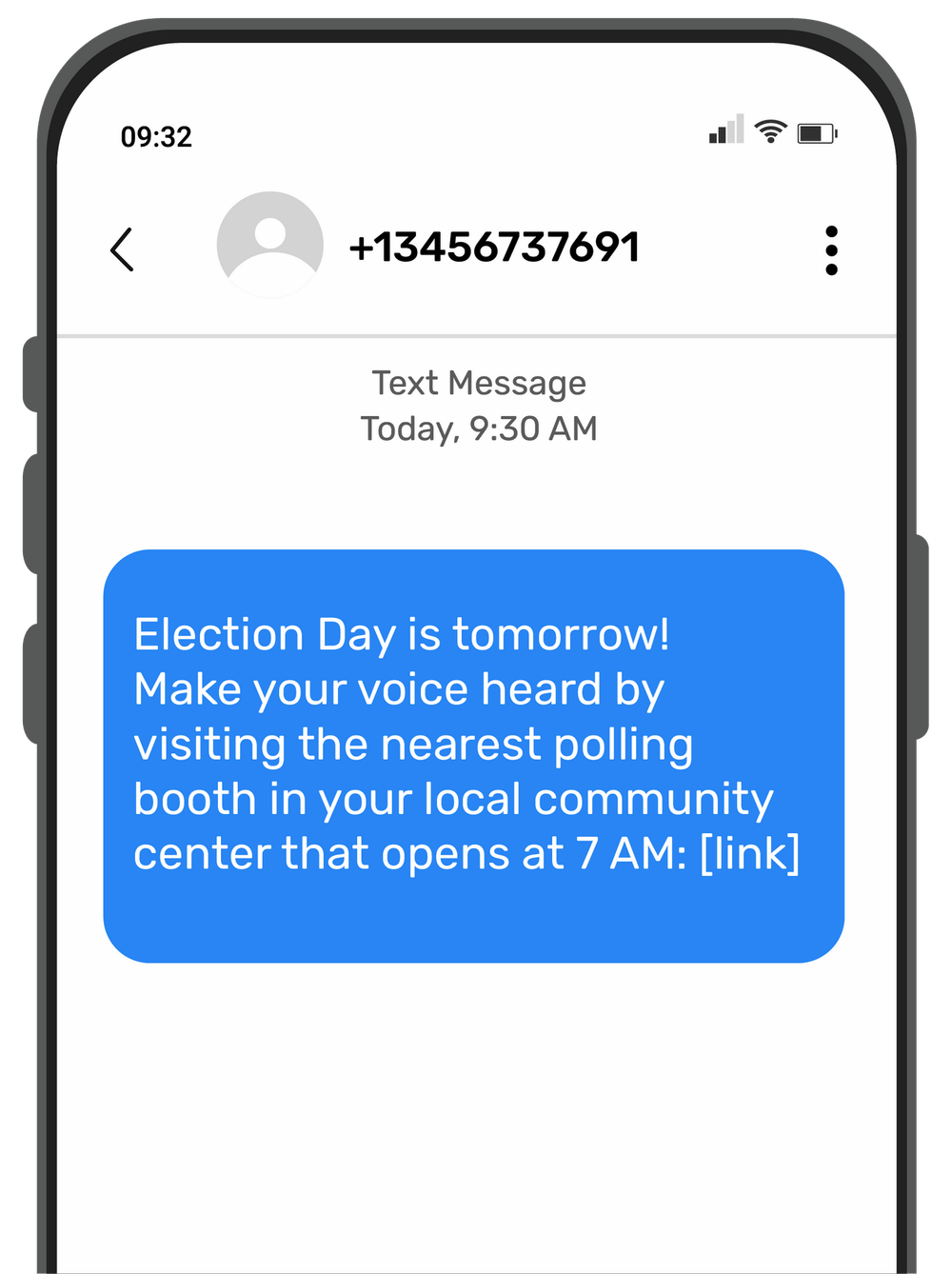
Targeted SMS campaigns make it easier to segment audiences by location or region, providing accurate local information.
Example: “Election Day is tomorrow! Make your voice heard by visiting the nearest polling booth in your local community center that opens at 7 AM: [link]”
Key Types of SMS Campaigns and Features For Advocacy
Depending on the goals and objectives, advocacy campaigns require different communication approaches. SMS is a flexible communication channel that supports multiple campaign formats, each serving a distinct purpose with an advocacy strategy.
Here are some of the most effective types of SMS campaigns used in advocacy.
1. Broadcast (mass) SMS campaigns
Broadcast SMS messaging involves sending a single message to a large group of people and a subscriber list at once. This makes it ideal for public announcements, urgent alerts, and time-sensitive calls to action.
For advocacy campaigns, broadcast SMS is best for event invitations, legislative action alerts, emergency updates, and fundraising deadline reminders.
This helps ensure fast, wide-scale outreach when speed matters most for advocacy campaigns.
2. Targeted and segmented SMS campaigns
Unlike broadcast messages, not all supporters need to receive the same message. Segmentation allows advocacy organizations to tailor SMS content based on engagement level, geography, interests, donation history, or demographics.
SMS segmentation is best for issue-specific campaigns, state-specific legislative alerts, donor vs volunteer messaging, and first-time vs repeat supporter outreach.
Targeted messaging increases relevance, improves response rates, and reduces opt-ins by ensuring supporters only receive texts that matter to them.
3. Keyword-based opt-in campaigns
Keyword-based campaigns allow individuals and supporters to join an advocacy campaign list by texting them a keyword, such as “JOIN,” “VOTE,” or “ACT.”
These campaigns are best for running event sign-ups, growing subscriber lists, on-ground rallies, and social media cross-promotion.
Keyword-based campaigns make enrollment a breeze and help build a permission-based, compliant contact list.
4. Two-way SMS campaigns
Two-way messaging allows advocacy campaign recipients to reply and engage in conversations, enabling an interactive communication experience and building stronger relationships.
These campaigns are ideal for supporter Q&A, volunteer confirmations, issue-based discussions, and data collection and qualification. Advocacy groups can automate responses using keywords or by enabling live agents to manage conversations.
5. MMS campaigns
MMS messaging allows advocacy organizations to send media-rich images, videos, and GIFs besides plain text, making campaigns more visually and emotionally appealing.
In advocacy, MMS-based campaigns are ideal for sharing event photos, highlighting beneficiaries, showcasing campaign impact, and promoting rallies with visual banners.
This significantly boosts engagement and creates stronger emotional connections, which can be successful for high-impact campaigns.
6. Drip or automated SMS campaigns
Drip campaigns help groups send a sequence of automated messages over a specific time period, making them ideal for nurturing new supporters and guiding them through a journey from awareness to engagement to action.
Automated drip campaigns are best for donor nurturing, onboarding new subscribers, volunteer training reminders, and educational awareness series.
Instead of overwhelming supporters with a single long message, drip campaigns break down information into digestible segments, delivered over days to weeks.
7. SMS polls and surveys
SMS Polling and survey campaigns allow organizations to gather real-time feedback from advocacy supporters. This interactive format increases engagement while providing valuable data.
It’s best for collecting event feedback, measuring supporter priorities, gauging sentiment before policy decisions, and planning campaign direction, which can typically generate high participation.
8. SMS workflows
SMS workflows are automated, action-based messaging sequences triggered by specific supporter behavior. Unlike standard drip campaigns that follow a fixed schedule, SMS workflows are more dynamic, responding to a supporter's actions, such as clicking a donation link, signing a petition, or registering for an event.
It’s best for new subscriber onboarding, abandoned donation reminders, petition follow-ups, and event confirmations and reminders. SMS workflows help advocacy teams to deliver timely, personalized, and relevant information at scale, maintaining continuous engagement and improving conversions, without manual effort.
How to Build an SMS Advocacy Campaign?
Here is a step-by-step guide and framework to help you create a high-impact SMS advocacy campaign.
1. Define clear campaign objectives
The first step to launching an advocacy campaign is to identify exactly what you want to achieve. Advocacy campaigns typically focus on a primary goal, which can be to increase donations, raise awareness, influence legislation, drive petition signatures, mobilize event attendees, and recruit volunteers.
Clear goals significantly help shape your messaging campaign, timing, and measurement strategy.
2. Build an opt-in Supporter Database
Like other business messaging and marketing campaigns, advocacy campaigns must also be consent-driven. Supporters must explicitly opt in to receive messages.
Advocacy groups can grow their subscriber list through petition pages, website sign-up forms, event registrations, social media promotions, QR codes at rallies, and keyword opt-ins.
TXTImpact facilitates opt-ins and also provides built-in 10DLC registration to help you stay compliant. With TXTImpact, you can easily build and manage subscriber lists and reuse them for multiple campaigns, if needed.
It’s also important for advocacy organizations to include opt-out instructions to remain compliant and maintain trust with the participants.
3. Segment your campaign audience
Segmentation in advocacy campaigns helps improve relevance and engagement, ensuring the right recipients receive the right campaign message.
Advocacy organizations can segment their contact list by location, donor history, engagement level, volunteer status, or specific issue interest to drive targeted advocacy campaigns.
4. Craft clear and compelling messages
SMS is short and action-driven; keeping messages focused and concise to a single clear call to action (CTA) can prompt instant decision-making and higher response rates.
It’s important to use simple, direct language, include a short link, personalise messages wherever possible, and create a sense of urgency wherever necessary.
5. Schedule message strategically
Timing SMS campaigns significantly affects engagement, especially for advocacy campaigns. It’s crucial to avoid sending texts too early, too late, or too frequently in the campaign.
Besides, when timing messages, consider time zones, weekends, and work hours, and avoid message fatigue to ensure the campaign works better.
6. Monitor performance and optimize
Once you’ve launched the campaign, you must track and evaluate a few metrics, including delivery rate, conversion rate, click-through rate, response rate, and opt-out rate, which help analyze how the campaign performed.
It also helps advocacy groups stick to the strategies and messages that worked and refine those that didn’t, improving engagement for future campaigns.
Best Practices to Run Effective Advocacy Campaigns
Advocacy organizations must follow certain best practices to maximize its impact and run successful and response-driven campaigns. Here are some of the most effective practices to follow:
- Lead with the “Why” and not just forceful action: Advocacy is emotion-driven. Instead of jumping straight to “Donate today,” or “Sign Now” CTAs, it’s crucial to reinforce why the campaign issue matters. Connecting the recipient’s actions to real-world impact motivates.
- Turn supporters into amplifiers: Encourage them not only to act but also to share. Make them post about the campaign on social media, recruit friends, and encourage forwarding links, ensuring advocacy messages spread faster via supporters becoming messengers.
- Use milestones to build social proof: It’s important to share progress updates and showcase visible momentum to increase participation through collective motivation. Examples include “We’ve reached 10,000 signatures” or “Only 150 calls left to hit our goal.”
- Use real-time updates for credibility: During rallies, legislative debates, or live events, it’s important to share updates as they happen. Real-time communication in such cases helps build trust and positions your advocacy group as a reliable source.
- Humanize your messaging: Avoid a formal, robotic tone; advocacy campaigns thrive on authenticity and emotional connection. Your messages should feel direct and conversational to the recipients, encouraging participation.
- Avoid “always on” emergency mode: If you make every message sound urgent, none of them will stand out or invoke urgency. It’s crucial to reserve high-intensity language for truly time-sensitive moments to maintain the campaign’s credibility.
- Recognize and appreciate action instantly: Sending immediate thank-you messages reinforces positive behavior and makes the recipient feel seen and valued. A supporter who feels valued is more likely to engage with your campaign again.
- Re-engage inactive supporters: Instead of continuously messaging highly active supporters, it’s also important to design and send re-engagement messages specifically for dormant subscribers to bring them back into the campaign movement.
- Close the loop after campaigns: Once a campaign is complete, it’s crucial to share its impact to strengthen trust and improve long-term retention. Share outcomes, such as “The bill has passed, thank you for your support,” “Your donation funded 500 meals,” or “We delivered 30,000 signatures.”
- Ensure and protect supporter trust above all: Advocacy is relationship-driven. It’s important to prevent excessive fundraising appeals or constant pressure messaging that may erode goodwill over time.
TXTImpact: Your Solution to Impactful Advocacy Campaigns
TXTImpact provides a powerful and reliable mass texting solution, allowing advocacy groups and organizations to send a single message to hundreds or thousands of supporters while ensuring high deliverability and compliance.
It makes bulk messaging a breeze for advocacy groups by delivering real value-for-money for all the excellent features that it offers, including:
- Two-way messaging that helps customers engage in real conversations and not just broadcasts, which keeps every SMS reply organized and easy to manage.
- Rich features that provide access to a wide range of messaging tools without worrying about surprise fees or expensive add-ons.
- Multichannel messaging that lets you reach advocacy supporters not just via SMS but across the channels, i.e., MMS, RCS, and WhatsApp.
- Build for long-term relationships by focusing on advocacy groups’ goals and supporting their growth every step of the way with its custom solution.
Besides, it offers an easy-to-use dashboard, TXTImpact Omnihub, advanced automation and integration capabilities, high compliance and security, and personalization and segmentation to make the advocacy campaigns more engaging, interactive, and fun.
Whether it’s to send time-sensitive alerts, personalized messages, or marketing and promotion messages, TXTImpact’s mass texting makes advocacy campaigns intuitive and effortless. Additionally, TXTImpact offers an easy number setup, automatic opt-out management, and streamlined registration, so you don’t have to worry about compliance, and you can focus on your advocacy campaigns.
Conclusion
SMS has become a highly effective communication tool for modern advocacy campaigns, enabling instant message delivery and prompting quick action. From driving petition signatures and mobilizing event attendees to influencing legislation and increasing donations, SMS helps deliver urgency, visibility, and measurable impact.
However, choosing the right SMS provider is crucial to driving successful SMS campaigns. TXTImpact offers secure and reliable business messaging and mass texting solutions with an intuitive dashboard, high scalability, security, user segmentation, and real-time reporting at the best value for money.
If you need high deliverability and compliance for your advocacy campaigns, contact us to get started or start a free trial to explore the platform.
FAQs
♦ Is SMS suitable for small and local advocacy groups?
Yes, TXTImpact offers a highly scalable business texting solution, making it suitable for both grassroots community groups and large advocacy organizations.
♦ Can advocacy groups use long codes instead of short codes for texting?
Yes, several organizations use 10DLC long codes for high-volume, compliant business texting, while short codes are typically used for large-scale national campaigns.
♦ Is SMS effective for recurring donor engagement?
Absolutely, SMS can be used to remind recurring donors about upcoming contributions, strengthen long-term relationships, and share impact updates.
♦ Can SMS advocacy campaigns be multilingual?
Yes, reliable SMS providers, such as TXTImpact, provide multilingual messaging with Unicode while also allowing groups to segment contact lists based on supporters’ location or language behavior, making it easier to send targeted, localized, and relevant messages to the right recipients.
♦ What industries commonly use SMS for advocacy besides non-profits?
Educational institutions, trade associations, healthcare groups, unions, and corporate CSR teams also commonly use SMS to reach and mobilize advocacy supporters and influence policy decisions.
About the Author:
 | Tejal Sushir (Content Writer) Tejal Sushir is a content writer with 4+ years of experience writing fresh and insightful content for B2B SaaS companies. She has delivered top-performing and top-ranking blogs in the SMS marketing, Digital Marketing, web hosting, AI & ML, cybersecurity, WordPress, HR Tech, and technical SEO domains. Her meticulous research when writing content ensures industry expertise and keeps up with emerging trends. |